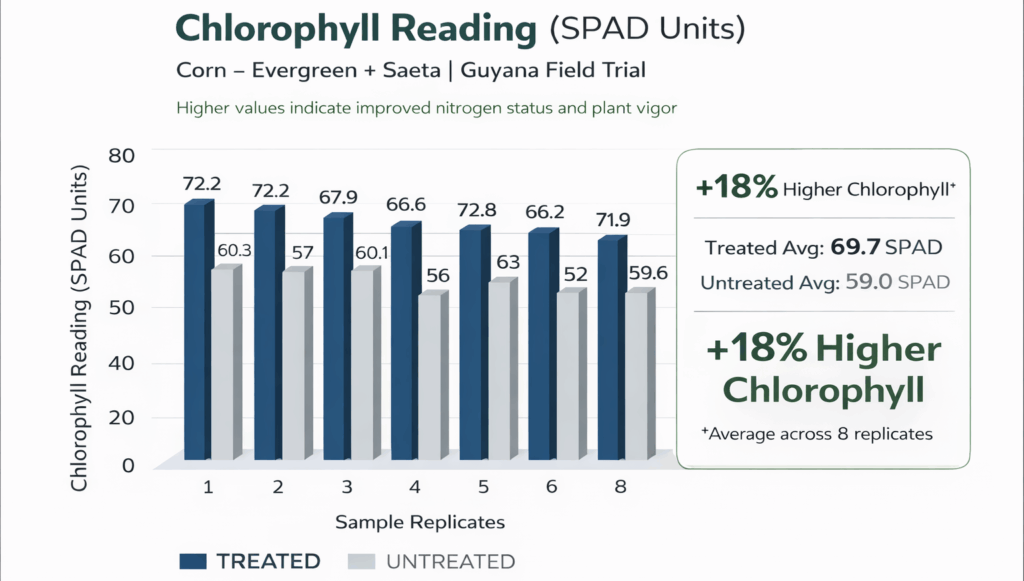
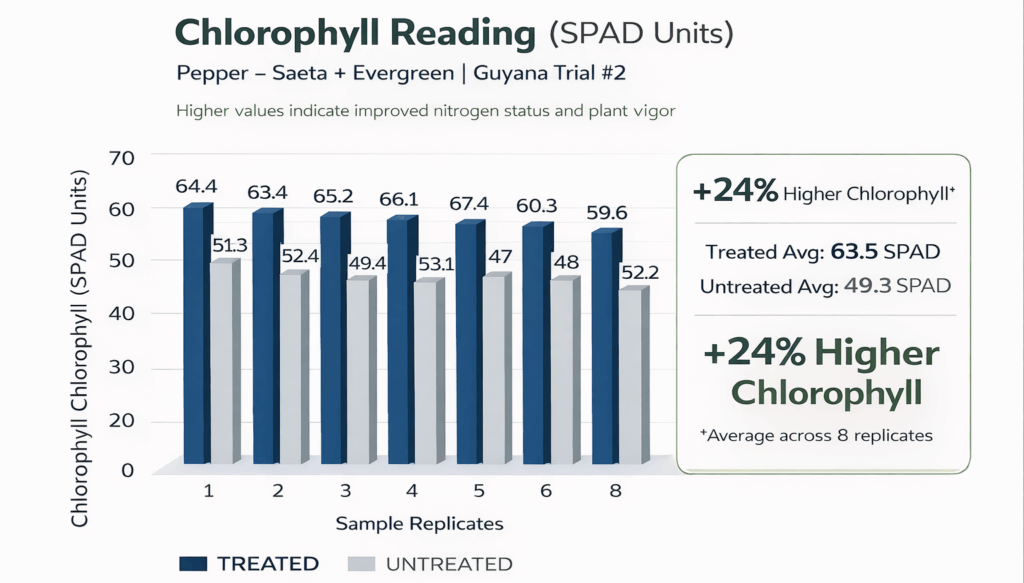
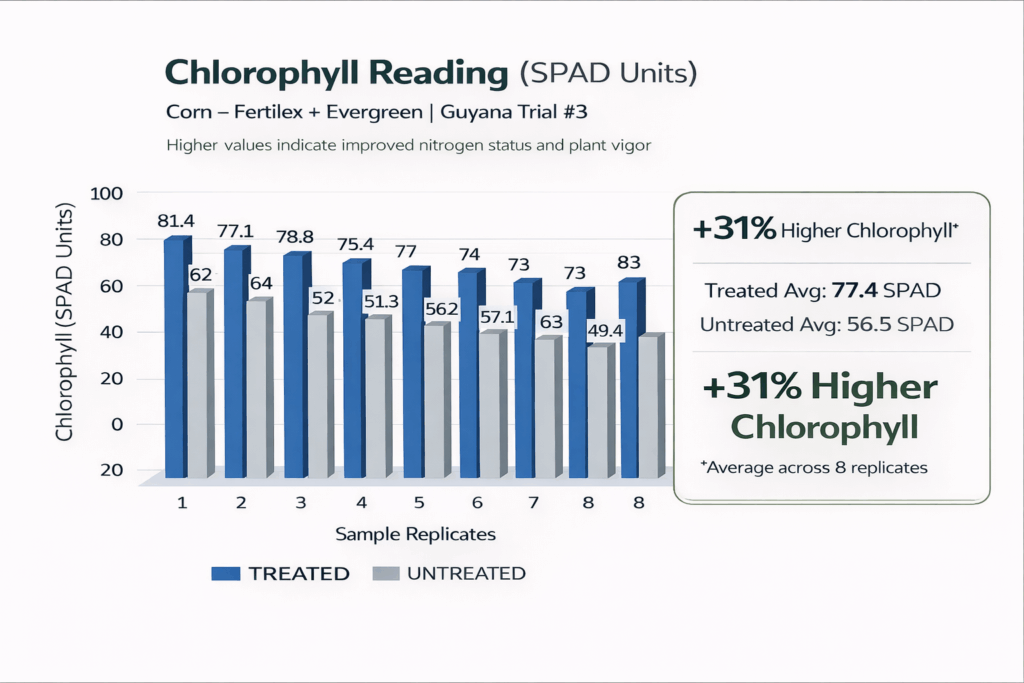
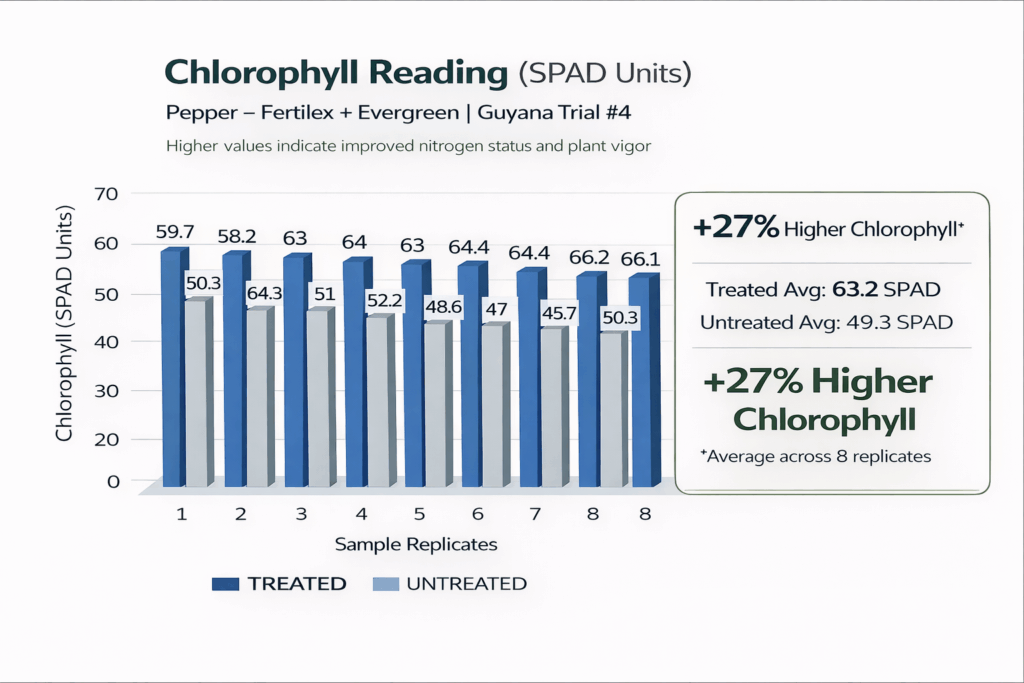
Chlorophyll readings below 40 typically indicate Nitrogen deficiency.
Across all trials:
Treated corn and pepper consistently showed higher chlorophyll readings than untreated plots.
The combination Fertilex® + Evergreen® showed particularly strong responses.
Results suggest improved Nitrogen assimilation and enhanced photosynthetic capacity in treated crops.
This response was especially relevant given the heavy clay soils of the region, which may present micronutrient limitations affecting nutrient uptake efficiency.
Nutrient programs must be timed correctly. Early vegetative and tillering stages are key windows for influencing final yield.
Technology-driven crop monitoring works. Non-destructive meters provided consistent, measurable differentiation between treated and untreated plots.
Monitoring relative readings over time allows agronomists and growers to:
Detect deficiencies early
Adjust nutrient programs precisely
Protect yield potential
Key Takeaways
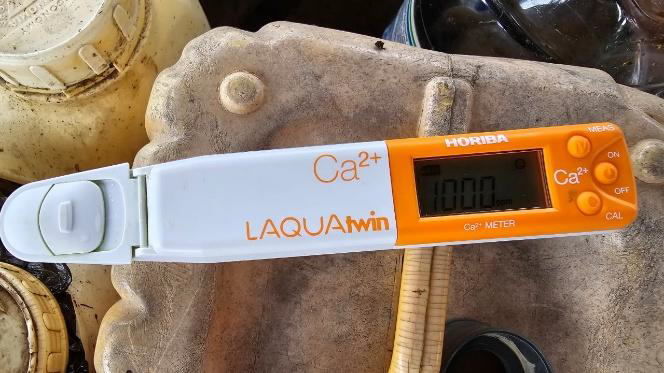
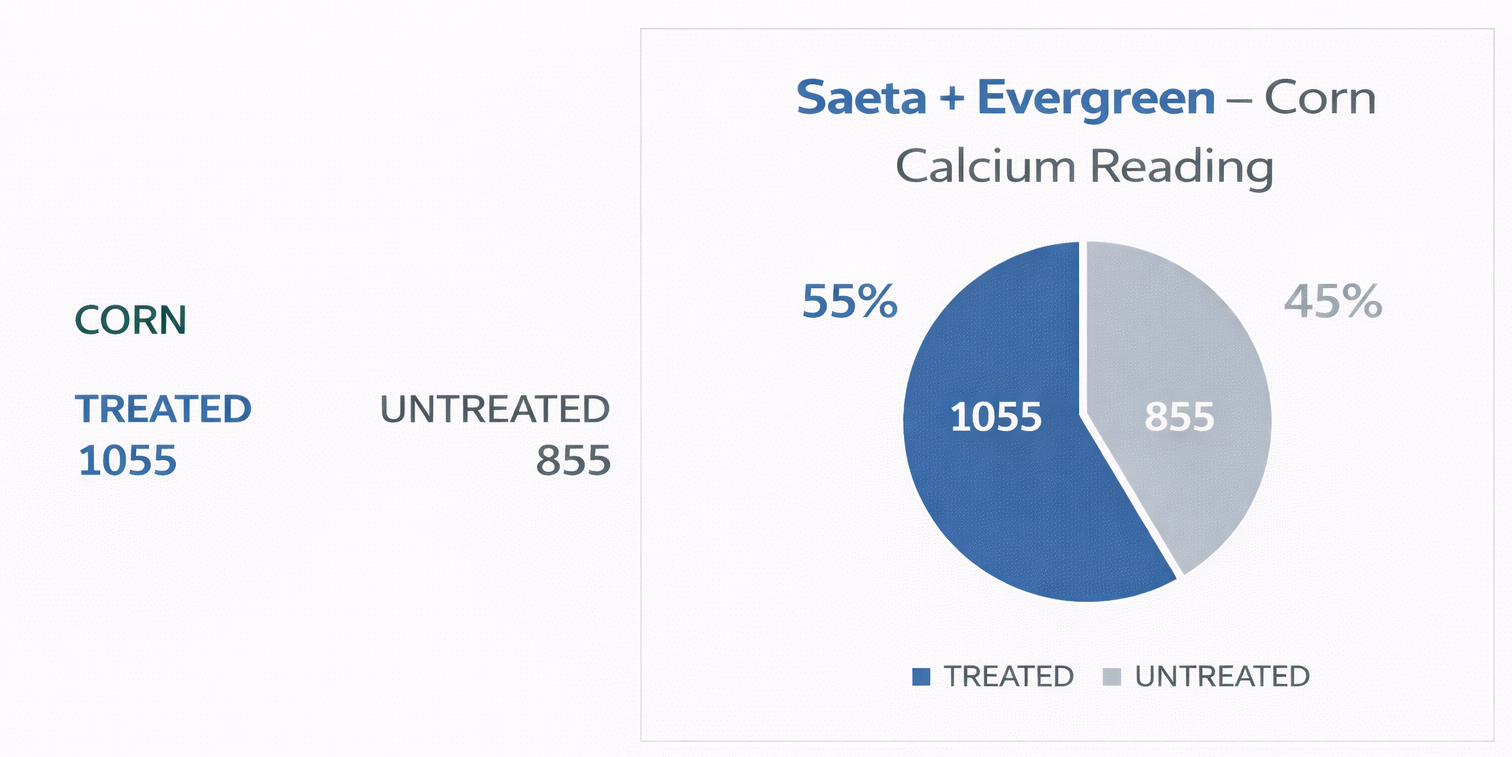
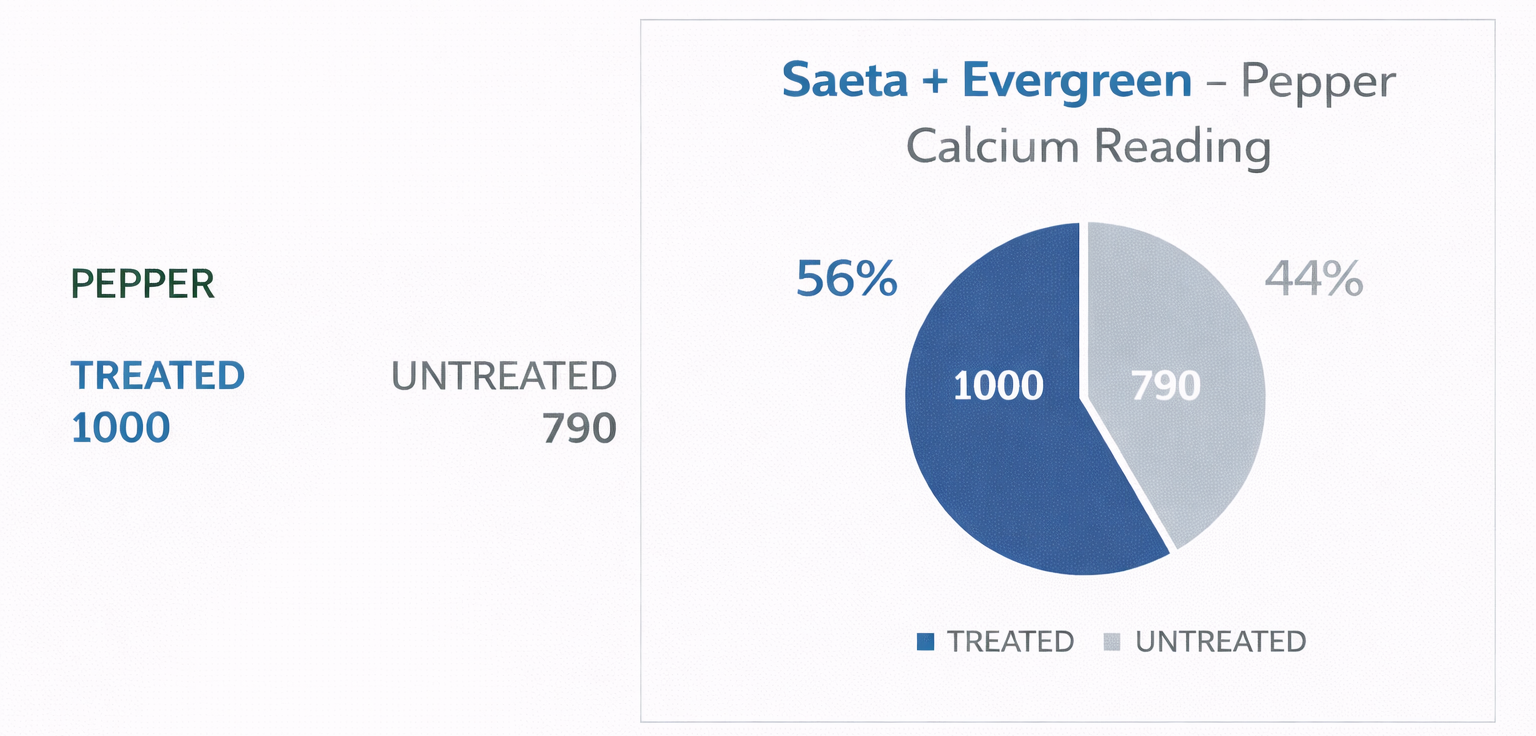
✔ Saeta®, Evergreen®, and Fertilex® significantly improved chlorophyll and calcium readings. ✔ Treated crops demonstrated stronger nutritional status and reduced disease symptoms. ✔ Early-stage nutrient management plays a decisive role in crop performance. ✔ Portable meters are valuable agronomic decision-making tools.
FINAL RECOMMENDATIONS
For addressing Nitrogen and Calcium deficiencies in corn, pepper, rice, and vegetable crops:
Saeta® supports P and Ca correction.
Evergreen® can be applied via foliar spray, drenching, or drip injection across crop stages.
Fertilex® + Evergreen® showed synergistic effects in micronutrient-deficient soils.
Timely nutrient management, combined with real-time diagnostic tools, enhances crop health, resilience, and yield outcomes.
CONTACT US
WE WANT TO HEAR FROM YOU WE’VE BUILT OUR BUSINESS ON HARD WORK AND TRUST, BY LISTENING TO FARMERS FOR MORE THAN 20 YEARS.
Contact the country representative
BUSINESS LINES
Agriculture
Public Health
Animal Health
Home & Garden
Other Businesses
REGIONS
Scroll to Top
Get the Complete Package Info
Enter your email and we’ll send the full presentation directly to your inbox.